40th Birthday Card Embroidery Review
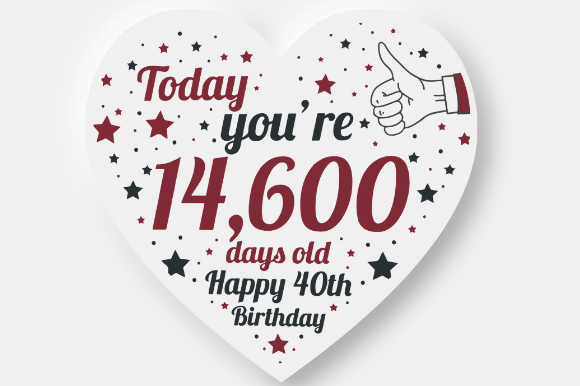
When you are hunting for a design that captures a specific milestone without feeling cluttered or overly sentimental, the 40TH BIRTHDAY CARD graphic design catches the eye. As someone who has stitched thousands of designs for clients and personal projects, I look for more than just a pretty picture. I look for stitchability, clarity, and marketability. This particular machine embroidery design offers a clean, modern aesthetic that feels ready for real-world application in a craft business or a personalized gift scenario.
The description positions this as a versatile asset for your POD (Print on Demand) business, mentioning its suitability for jewelry and t-shirt designs. While the text suggests broad utility, my review focuses on how it translates from a digital file into a tangible embroidery project. Does it hold up under the needle? Is it suitable for an Etsy seller looking to add value to their shop? Let’s break down the practical aspects of using this design.
First Impressions and Visual Personality
The moment you open the file, the layout of the 40TH BIRTHDAY CARD strikes me as balanced. It avoids the common trap of trying to cram too much text or decorative elements into a small space. For a 40th birthday, which is often a "big 4-0" milestone, the design manages to feel celebratory without being juvenile. The visual personality is crisp and confident.
In terms of mood, it creates a sense of occasion. It isn’t just a random number; it feels like a keepsake. This is crucial for handmade products because buyers are often looking for something that feels special and curated. The shape and theme suggest that this design could work beautifully on a variety of substrates, from soft cotton tees to structured canvas totes. However, the true test of any embroidery file is not how it looks on a screen, but how it behaves when converted into stitches.
Real-Life Application: Where This Design Shines
I recently considered using this design for a custom order involving a high-quality sweatshirt for a client celebrating their 40th. Here is why the 40TH BIRTHDAY CARD works well in that context:
- Custom Apparel: On a sweatshirt or hoodie, the design likely sits prominently on the chest or back. The clean lines ensure that even if the fabric is textured, the message remains readable. It adds a professional touch to custom apparel that generic store-bought items lack.
- Tote Bag Design: A sturdy canvas tote is a popular item for craft business owners. This design fits perfectly within standard hoop sizes, allowing for a bold statement piece. When paired with neutral thread colors, it becomes a chic accessory rather than just a novelty item.
- Personalized Gift: For friends and family, this makes an excellent personalized gift. Whether embroidered on a kitchen towel, a pillow cover, or a baby blanket (for a parent turning 40!), the design carries emotional weight. It transforms a simple household item into a memory keeper.
- Embroidered Patch: If you offer patches, this design can be digitized or used as-is to create a detachable badge. Patches are trending in commercial embroidery, especially for jackets and hats. The clear boundaries of the card concept make it ideal for applique or cut-work techniques.
Furthermore, for those selling digital product sellers assets or printable mockups, this design provides a strong focal point. You can showcase it on various backgrounds to demonstrate versatility to potential buyers. It serves as a reliable design asset that doesn’t require extensive modification to look polished.
Technical Considerations and Stitching Challenges
No design is perfect for every surface. As an experienced reviewer, I must highlight where caution is needed. The 40TH BIRTHDAY CARD may present challenges if applied to certain materials or small formats.
Hoop Size and Detail: If you attempt to stitch this in a very small hoop size, you risk losing detail. Small lettering or intricate corners might become muddy if the stitch density is too high for the limited space. Always check the recommended hoop size before committing to a tiny project like a baby onesie cuff or a miniature patch.
Fabric Texture and Stability: Textured fabrics, such as heavy waffle knits or loose-weave linens, can distort fine details. In these cases, the design might lose its sharpness. I recommend using a proper stabilizer—cut-away for stretchy fabrics like jerseys, and tear-away for stable wovens—to maintain integrity. Thin or stretchy fabrics also require extra care; without adequate support, the fabric can pucker around the dense stitch areas.
Color Contrast: The success of this design heavily relies on thread colors. On dark fabric, you will need bright or metallic threads to ensure visibility. Conversely, on light fabrics, subtle tones might get lost. I advise testing color combinations by creating black-and-white mockups first. This helps you visualize contrast levels without the distraction of hue.
Dense Stitch Areas: If the design includes significant fill stitch sections, be mindful of the fabric’s ability to handle bulk. Too many layers of thread can make a garment stiff or uncomfortable. For items that will be frequently washed, such as aprons or tea towels, ensure the stitching is secure to prevent fraying over time.
Practical Designer Notes for Best Results
To get the most out of the 40TH BIRTHDAY CARD graphic design, follow these practical steps before producing finished goods:
- Test on Scrap Fabric: Never go straight to the final product. Stitch a sample on the same type of fabric you plan to use. This reveals issues with tension, stabilizer choice, or thread compatibility early.
- Review Stitch Density: Zoom in on the digitization. Are there areas where the stitch density is excessive? High density can cause needle breaks or fabric damage. Look for smooth transitions between satin stitch borders and fill stitch centers.
- Check Licensing: Before selling small shop products or offering this as a digital embroidery file for download, verify the license terms. Ensure you have commercial rights to sell the finished items. This protects your craft business from legal issues.
- Inspect Small Details: Use your machine’s preview function or zoom in on the software. Are there tiny elements that might not stitch clearly? If so, consider simplifying the design or adjusting the scale.
- Compare Backgrounds: Test the design on both light and dark backgrounds. Some designs look striking on white but disappear on gray. This step is vital for creating accurate printable mockups for your online listings.
Final Verdict
The 40TH BIRTHDAY CARD is a solid addition to any designer’s library. It bridges the gap between a simple graphic and a functional embroidery project. Its clean aesthetic makes it appealing for creative entrepreneurs who want to offer professional-looking gifts without reinventing the wheel. Whether you are decorating a tote bag design, adding flair to a sweatshirt embroidery job, or creating unique nursery decor, this design delivers.
However, remember that good digitization meets skilled execution. By paying attention to fabric choice, stabilizers, and thread selection, you can transform this digital asset into a high-value finished product. It is a reliable tool for boosting customer trust and engagement, provided you respect the technical limitations of embroidery. For anyone in the graphics and crafts niche looking to expand their catalog with meaningful, milestone-based items, this design earns a strong recommendation.