Cutest Clover in the Patch: A Designer’s Review
As a designer who spends half my life staring at stitch patterns and the other half trying to explain why a specific satin stitch width matters, I approach every new embroidery file with a mix of optimism and skepticism. We have all seen designs that look charming on a screen but turn into tangled messes once they hit the hoop. Today, I am putting Cutest Clover in the Patch, St. Patricks through its paces. This isn’t just about whether it looks cute; it is about whether it works as a viable asset for your craft business, your Etsy shop, or that personalized gift you are making for a friend.
The product description highlights that this is an SVG quote design, which immediately signals versatility. It mentions being 100% color changeable and ready to print, which appeals to digital sellers, but for those of us focused on physical handmade products, the real question is how it translates from vector to thread. Let’s dive into the practical reality of using this machine embroidery design in real-world scenarios.
First Impressions and Visual Personality
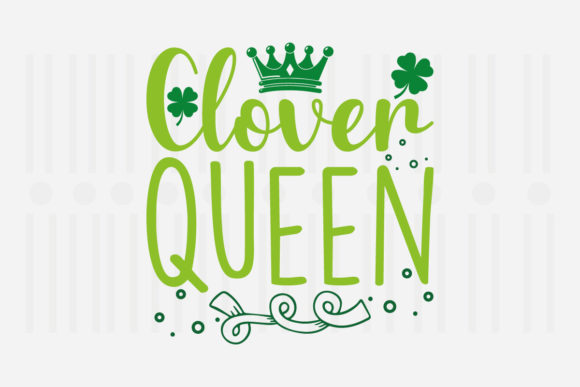
When you first load Cutest Clover in the Patch, St. Patricks into your digitizing software or design app, the mood is instantly set. It is playful, approachable, and undeniably festive. The layout suggests a central focal point—a clover motif paired with a quote—that naturally lends itself to chest placements on apparel or centered compositions on home goods. The visual personality is not overly intricate; it avoids the trap of tiny, fragile details that often frustrate both the machine and the end user.
This simplicity is actually a strength. In the world of custom apparel, customers often gravitate toward designs that are legible from a distance and aesthetically pleasing without requiring a magnifying glass. The clover shape provides a strong geometric anchor, while the accompanying text adds context. For an Etsy seller, this balance is crucial because it allows the design to stand out in thumbnails while remaining clear when viewed on a finished product like a tote bag or a sweatshirt.
Real-World Application: From Screen to Stitch
Let’s imagine a concrete scenario. You are preparing inventory for a spring craft fair or fulfilling orders for a boutique client looking for holiday embroidery items. You decide to use Cutest Clover in the Patch, St. Patricks on a canvas tote bag. Why? Because the sturdy fabric can handle the weight of the stitches without puckering, and the neutral background allows the green of the clover to pop.
In this context, the design performs well. The stitch density appears balanced, meaning it won’t overwhelm the fabric. However, if you were to switch to a thin cotton tee shirt, you would need to be more careful. The same design applied to a stretchy knit fabric might require additional stabilizer support to prevent distortion. This is where the flexibility of the source files comes into play. Since the design is provided in EPS or SVG formats, you have the freedom to adjust the scale before converting it to your specific machine format. This is a critical step for any serious commercial embroidery project.
Consider another use case: baby clothes. A small clover motif on a onesie or burp cloth is incredibly popular. The softness of the theme aligns perfectly with nursery decor and baby embroidery trends. But here is the catch: smaller sizes demand higher precision. If you downscale this design too much, you risk losing the integrity of the quote or making the clover petals look muddy. Always test the scaled version on scrap fabric first to ensure the satin stitch edges remain crisp.
Where Caution Is Required
While Cutest Clover in the Patch, St. Patricks is versatile, there are specific situations where it might struggle. Textured fabrics, such as heavy wools or terry cloth towels, can hide the finer details of the design. The contrast between the thread and the fabric texture might become lost, resulting in a flat appearance. Similarly, dark fabrics require careful selection of thread colors. If the clover is designed in light greens or yellows, it may lack visibility against a black background unless you use a high-density fill or a contrasting underlay.
Another area to watch is curved surfaces like caps or hats. While the design itself is likely flat, applying it to a curved brim requires precise hooping techniques. If the design includes delicate corners or small lettering, these elements can distort if the tension is not perfectly calibrated. For embroidered patches intended for iron-on application, ensure that the backing material complements the stitch structure so the patch remains flexible and durable after washing.
Impact on Product Value and Brand Consistency
For small shop owners and creative entrepreneurs, the quality of your design directly impacts customer trust. A poorly executed stitch pattern can make a handmade item look cheap, whereas a clean, well-balanced design elevates the perceived value. Cutest Clover in the Patch, St. Patricks offers a professional finish that helps maintain brand consistency across different product lines. Whether you are selling printed mockups, digital assets, or physical goods, having a cohesive aesthetic is key.
The ability to change colors easily is a significant advantage. It allows you to adapt the design to seasonal trends or customer preferences without needing to create multiple versions from scratch. For instance, you might offer a traditional green clover for St. Patrick’s Day but switch to pastel shades for spring-themed weddings or baby showers. This adaptability increases the lifespan of the design asset and maximizes your return on investment.
Practical Designer Notes for Success
To get the best results from this design, follow these practical tips:
- Test on Scrap Fabric: Never assume a design will work perfectly on your final material. Always run a test stitch on a similar fabric type to check for puckering, thread breaks, or alignment issues.
- Check Thread Contrast: Ensure there is enough contrast between the thread and the fabric. Low-contrast combinations can result in a washed-out look, especially in photos used for online listings.
- Review Stitch Density: High-density areas can cause stiffness in the fabric, which might be uncomfortable for wearable items like sweatshirt embroidery or apron designs. Adjust the density settings if necessary to improve comfort and drape.
- Confirm Hoop Size: Make sure the design fits within your standard hoop dimensions. If it is larger, you may need to split the design or use a multi-hooping technique, which adds complexity and time to production.
- Inspect Small Details: Zoom in on the digital file to check for any overlapping paths or unnecessary nodes that could cause stitching errors. Clean up the vector file if needed before importing it into your embroidery software.
- Verify Licensing: Before selling finished items or digital products, double-check the license terms associated with the source files. Some licenses restrict commercial use or require attribution, which can affect your pricing and marketing strategy.
Final Thoughts
Cutest Clover in the Patch, St. Patricks is a solid addition to any designer’s library, particularly for those focusing on seasonal themes and family-friendly aesthetics. Its clean lines and adaptable color palette make it suitable for a wide range of applications, from tote bag designs to kitchen towel embroidery. However, success depends on proper execution. By paying attention to fabric choice, stitch settings, and finishing touches, you can transform this simple graphic into a premium finished product that customers will love.
Whether you are an experienced apparel decorator or a hobbyist looking to add a personal touch to gifts, this design offers a reliable foundation for creativity. Just remember to test thoroughly, plan your production workflow carefully, and always prioritize quality over speed. When done right, even the simplest clover can become a standout piece in your collection.