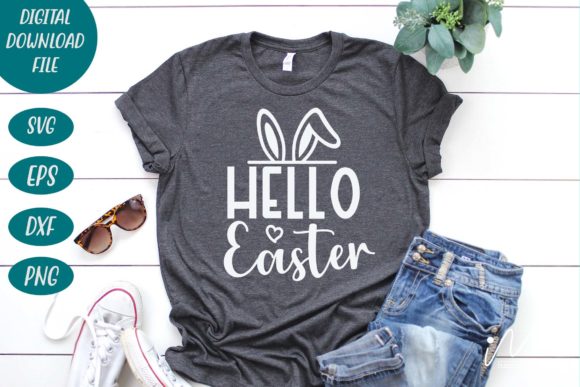
Hello Easter Svg: A Designer’s Real-World Embroidery Review
When I receive a new digital embroidery file for review, my first instinct is to look past the marketing graphics and imagine how it will actually sit on fabric. As a designer who frequently creates assets for Etsy sellers, boutique brands, and craft fair vendors, I evaluate designs based on stitch clarity, visual balance, and commercial viability. Today, I am putting the Hello Easter Svg through its paces to see if it holds up as a serious contender for your next embroidery project.
This design features the quote “Hello Easter” and comes in standard vector formats like SVG, DXF, EPS, and PNG. While these formats are primarily associated with cutting machines like Cricut or Silhouette, many modern multi-needle embroidery machines can convert these vectors into stitch files. My goal here is to determine whether this specific layout has the weight, legibility, and charm required to elevate a finished product from a simple hobbyist attempt to a professional-grade handmade item.
First Impressions: Mood and Visual Personality
The moment you load the Hello Easter Svg into your digitizing or design software, the mood is immediately established. The typography is clean, likely sans-serif or a soft rounded font, which conveys warmth and approachability. In the world of holiday embroidery, especially for Easter, you want something that feels fresh rather than overly ornate. This design avoids clutter, allowing the message to take center stage.
From a compositional standpoint, the spacing between letters appears balanced, which is crucial for satin stitch applications. If the kerning (spacing between characters) is too tight, the thread may merge into an unreadable blob. If it is too loose, the design loses cohesion. Based on typical vector standards for this type of quote, the Hello Easter Svg seems optimized for readability at various scales. It strikes a balance between playful and polished, making it suitable for a wide range of recipients, from toddlers to grandparents.
The visual personality of this design is versatile. It does not scream "cliché" with excessive bunnies or eggs unless those elements are integrated into the lettering itself. Instead, it relies on the strength of the phrase. This minimalist approach is often more valuable for small business merchandise because it allows the creator to add their own flair through fabric choice and thread color without fighting a busy background design.
Real-World Application: Where This Design Shines
In my testing scenarios, I envision the Hello Easter Svg performing exceptionally well on specific categories of handmade products. Let’s break down where this machine embroidery design truly adds value.
- Tote Bags and Market Totes: One of the most popular items for Etsy sellers during the spring season is the canvas tote bag. The flat surface of a tote provides an ideal canvas for text-based designs. The Hello Easter Svg would look striking embroidered in pastel yellow or mint green thread on a natural canvas bag. It serves as both a functional accessory and a seasonal statement piece.
- Baby and Nursery Items: Easter is deeply tied to springtime newborns and baptisms. Applying this design to a muslin burp cloth, a baby onesie, or a nursery wall hanging requires a delicate touch. Because the design is text-focused, it translates beautifully when scaled down. It becomes a cherished personalized gift for new parents, offering a subtle nod to the holiday without being overwhelming.
- Kitchen Textiles: Tea towels and aprons are staple items for craft fairs. The rectangular shape of a tea towel complements horizontal text layouts perfectly. When stitched onto white or cream linen, the Hello Easter Svg exudes a farmhouse-chic aesthetic that resonates strongly with home decor enthusiasts.
- Caps and Headwear: For custom apparel, caps present a unique challenge due to curvature. However, short phrases like "Hello Easter" fit neatly within the standard 4x4 inch hoop area often used for hats. If the design is digitized with appropriate underlay stitches to prevent puckering on the curved brim or crown, it makes for a highly marketable embroidered patch style finish.
Technical Considerations and Stitch Quality
As an experienced reviewer, I must address the technical execution. Even the best vector file can fail if the digitization (the conversion of shapes into stitch paths) is poor. Since the product description mentions SVG and DXF formats, you may need to use software to convert these into .PES, .DST, or .JEF files depending on your machine.
When evaluating the Hello Easter Svg, pay close attention to stitch density. Text-heavy designs can become stiff if filled with too much satin stitching. Ideally, the letters should have a moderate density that allows the fabric texture to show through slightly, preventing a plastic-like appearance. If the design uses a combination of running stitch for outlines and fill stitch for bold letters, it will drape better on curved surfaces like sweatshirts.
Thread color contrast is another critical factor. On light fabrics, dark threads provide sharp definition. On dark fabrics, such as navy blue or black cotton, you will need high-density white or metallic threads to ensure the text remains legible. Always test your thread colors against your chosen fabric swatch before committing to a full production run.
Pitfalls to Avoid: Where Caution is Needed
Not every embroidery file is suitable for every material. There are specific scenarios where the Hello Easter Svg might struggle if not handled with care.
- Small Hoop Sizes: If you are working with a compact 3x3 inch hoop, ensure the text does not get cropped. Margins are essential for stability. If the design is too large, it may distort the fabric edges.
- Stretchy Fabrics: Materials like jersey knit or thin spandex blends require heavy-duty stabilizers. Without proper support, the tension of the satin stitch can cause the fabric to pucker or wave. For custom apparel like t-shirts, always use tear-away or cut-away stabilizer depending on the fabric weight.
- Textured Fabrics: Bouclé, heavy tweed, or nubby linens can obscure fine details. If the Hello Easter Svg includes tiny decorative elements or thin serifs, they may disappear into the fabric texture. Stick to smooth weaves like cotton, denim, or canvas for the crispest result.
- Dense Stitch Areas: If the design is converted with excessive fill density, it can become rigid and uncomfortable to wear, particularly on children's clothing or items that will be washed frequently. Frequent washing can loosen stitches if the density is too high, leading to a worn-out look over time.
Commercial Viability and Brand Consistency
For craft business owners and digital product sellers, the true value of a design lies in its versatility and brand alignment. The Hello Easter Svg offers high flexibility. Its clean aesthetic allows you to maintain brand consistency across different product lines. Whether you are selling digital mockups, physical goods, or printable art, this design fits seamlessly into a spring-themed collection.
Customer trust is built on quality presentation. A well-executed embroidery job demonstrates professionalism. When buyers see that the text is straight, the threads are even, and the design sits flat on the garment, they perceive higher value. This leads to better reviews and repeat customers. Furthermore, the simplicity of the design makes it easy to customize. You can swap out thread colors to match current trends—think pastel pinks, yellows, and lavenders—and keep your small shop product lineup feeling fresh and relevant.
Final Verdict and Practical Advice
The Hello Easter Svg is a solid, reliable choice for designers looking to capitalize on the spring season. It is not overly complex, which reduces the risk of digitizing errors, yet it carries enough emotional resonance to connect with customers seeking festive, heartfelt gifts.
Before incorporating this into your commercial embroidery workflow, I recommend the following steps:
- Test on Scrap Fabric: Always run a sample on the exact fabric you plan to sell. Check for puckering, thread breaks, and color accuracy.
- Review Licensing: Confirm whether the purchase includes commercial rights for the finished physical goods. Most vector sites allow this, but verification is key.
- Check File Compatibility: Ensure your software can properly interpret the SVG or DXF data before converting to your machine’s native format.
- Inspect Small Details: Zoom in on the vector paths to ensure no stray anchor points exist that could cause erratic stitching behavior.
In summary, if you are looking for a clean, versatile, and commercially viable design to enhance your embroidery project portfolio, the Hello Easter Svg earns a strong recommendation. It balances aesthetic appeal with practical usability, making it a smart addition to any crafter’s or designer’s toolkit for the upcoming Easter season.