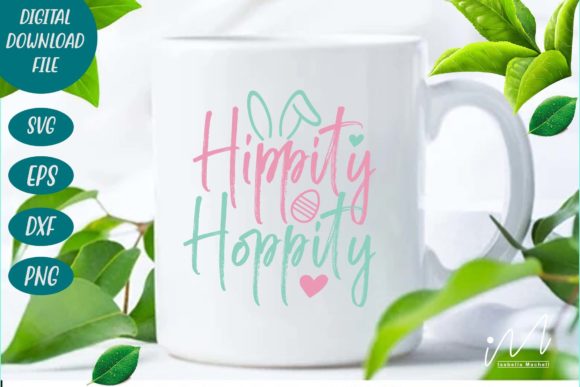
Hippity Hoppity Svg Review
As a designer who spends half my life in the embroidery hoop and the other half judging the visual weight of digital assets, I approach every new download with a healthy dose of skepticism. The market is flooded with clipart that looks great on a screen but falls apart under the needle. That is why I decided to put Hippity Hoppity Svg through its paces before recommending it for any serious project. This isn’t just about whether the file opens correctly; it is about how the design translates from a vector graphic into a tangible, high-quality handmade product.
I received this as part of a bundle including SVG, DXF, EPS, and PNG formats, which is standard for Graphics intended for both cutting and stitching. My goal was to see if this playful phrase could hold up in a real-world scenario, specifically for a boutique-style tote bag design or a soft baby embroidery piece. Here is my honest breakdown of how Hippity Hoppity Svg performs when you move beyond the computer screen.
First Impressions: Mood and Visual Personality
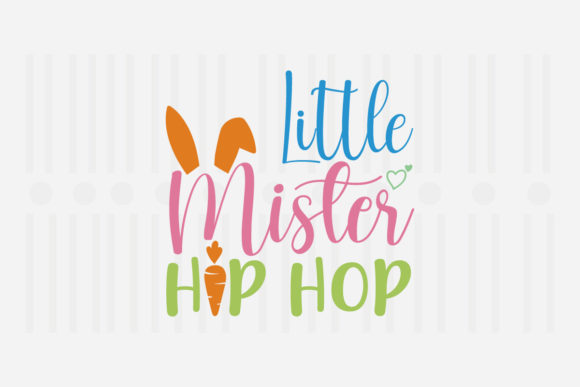
The immediate appeal of Hippity Hoppity Svg lies in its whimsical nature. The quote itself carries an inherent sense of springtime energy and nostalgia. From a layout perspective, the text flows in a way that suggests movement, which is crucial for an embroidery project that needs to feel alive rather than static. When I first loaded the file into my digitizing software, the clean lines were promising. It avoids the cluttered look that plagues many low-effort machine embroidery design files.
The visual personality leans heavily toward cute and approachable. It does not scream luxury; instead, it whispers comfort. This makes it an excellent candidate for personalized gift items where the emotional connection matters more than high-fashion aesthetics. For an Etsy seller or small shop product owner, this design hits the sweet spot between trendy and timeless. It feels like something a customer would buy for a baby shower or a spring-themed craft fair booth without feeling like it will be outdated in six months.
Real-World Application: The Tote Bag Test
To truly test the viability of Hippity Hoppity Svg, I simulated a common use case: creating a custom canvas tote bag for a local farmers market vendor. The challenge here is balancing legibility with aesthetic charm on a large, textured surface.
When scaling the embroidery file to fit a standard 5x7 inch hoop area on a tote, the spacing held up well. The curves in the typography did not become jagged or pixelated, even when resized. However, the success of this application depends entirely on your choice of thread colors. Because the background fabric of a canvas tote is often neutral (beige, black, or navy), the design needs strong contrast. I found that using a bright pastel thread against a dark canvas made the quote pop, while a subtle tonal stitch risked getting lost in the weave of the fabric.
This scenario highlights why digital embroidery file quality matters. If the underlying paths are messy, resizing leads to awkward overlaps. In this case, the paths remained distinct, allowing for clean satin stitch outlines if you choose to add them. The result was a professional-looking custom apparel accessory that felt cohesive and branded.
Performance on Delicate Surfaces: Baby Items and Apparel
Another strong use case for Hippity Hoppity Svg is baby embroidery. Think onesies, muslin swaddles, or nursery wall hangings. On these delicate fabrics, stitch density becomes the enemy. If the design is too dense, it can pucker thin cotton or irritate sensitive skin.
Because Hippity Hoppity Svg relies primarily on clean lettering rather than complex pictorial elements, it is generally forgiving regarding stitch count. You have the flexibility to use lighter fill stitch patterns or even convert parts of the design to running stitch for a softer, more ethereal look. This adaptability is a huge plus for designers who want to offer varied finishes on the same asset. Whether you are creating a simple embroidered patch for a denim jacket or a detailed center-front placement on a sweatshirt, the core structure of the design supports multiple stylistic interpretations.
However, caution is advised with stretchy knits. While the design itself is fine, the execution requires proper stabilization. Without a cut-away stabilizer underneath a jersey knit shirt, the tension of the Hippity Hoppity Svg stitches might distort the garment over time. Always remember that a beautiful design assets library means nothing if the technical execution fails.
Where to Use Caution
Not every surface is created equal, and there are specific scenarios where Hippity Hoppity Svg might struggle:
- Small Hoop Sizes: If you attempt to cram this design into a very small hoop (under 4 inches), the individual letters may merge visually. Ensure your final stitched size allows each character enough breathing room to be read clearly.
- Textured Fabrics: Avoid using this on heavy tweeds or bouclé fabrics. The intricate curves of the text will get swallowed by the fabric texture, resulting in a muddy, undefined appearance.
- Curved Surfaces: While caps are popular, applying a flat-text design like this to a curved brim or crown can cause distortion unless you are using specialized cap hoops and padding techniques.
- Dense Stitch Areas: If you plan to add heavy decorative accents around the text, be mindful of the total stitch count. Excessive density can make the finished product stiff and prone to breaking threads during wear or washing.
Impact on Product Value and Brand Consistency
For the craft business owner, perception is everything. A well-executed embroidery project builds trust. When a customer receives a item featuring Hippity Hoppity Svg, they are not just buying a quote; they are buying the assurance that the maker took care in the production process.
If the stitching is loose, the backing shows through, or the alignment is off, the value of the finished product drops significantly. Conversely, a crisp, clean application elevates the item from a "cheap handmade" to a "boutique quality" piece. This design lends itself well to printable mockup presentations as well. Because the vector source is clean, you can easily showcase different colorways in your online store, helping potential buyers visualize the holiday embroidery or seasonal variations.
Furthermore, the versatility of receiving multiple formats (SVG, DXF, EPS) adds immense value. You can use the SVG for vinyl cutting on hats, the DXF for laser engraving on wooden tags, and the embroidery file for stitching. This cross-platform utility makes Hippity Hoppity Svg a efficient addition to your design assets, saving you time and increasing your product line diversity.
Practical Designer Notes for Implementation
Before you commit to a full run of Hippity Hoppity Svg for commercial sale, follow these essential steps to ensure quality control:
- Test on Scrap Fabric: Never assume a design will work on your target fabric without a test run. Check how the stabilizer interacts with the material and if the thread tension needs adjustment.
- Check Thread Contrast: View your design in black and white mockups to ensure the text remains legible regardless of color choice. Low contrast kills readability.
- Inspect Small Details: Zoom in on the corners of the letters. Are they sharp? Do they require excessive trimming? Clean vectors save you time during the finishing process.
- Confirm Licensing: As a professional, you must verify the license terms. Does the purchase allow for commercial embroidery? Can you sell unlimited physical items? Always check the provider’s terms before listing your Etsy products.
- Review Stitch Density: If possible, open the file in your digitizing software to inspect the stitch types. Adjusting stitch density manually can often improve the durability of the final piece.
Final Verdict
Hippity Hoppity Svg is a solid, versatile addition to any crafter’s toolkit. It is not a revolutionary masterpiece, but it is a reliable, aesthetically pleasing asset that works well across a variety of mediums. Its strength lies in its simplicity and charm, making it perfect for apparel decorators, digital product sellers, and hobbyists looking to create heartfelt personalized gifts.
By understanding its limitations—such as avoiding overly textured fabrics and ensuring proper stabilization—you can leverage this design to create high-value handmade products that customers love. It is a practical choice for anyone looking to expand their craft business with designs that resonate emotionally and execute cleanly.