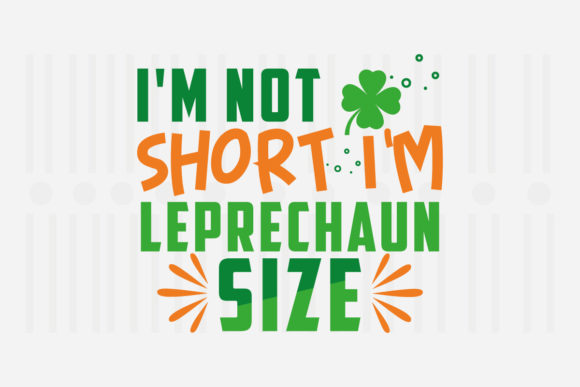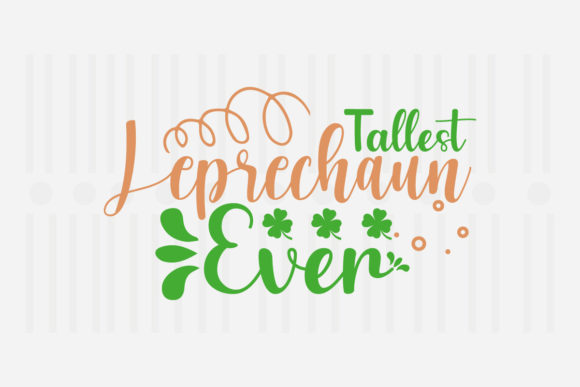
Tallest Leprechaun Ever Review
As a designer who spends more time than I care to admit staring at stitch density charts and testing thread tension, I don’t just buy graphics because they look cute on a screen. I evaluate them based on how they translate into physical reality. When Tallest Leprechaun Ever, St. Patrick s landed in my inbox, my first instinct was to ask: does this hold up when it’s stitched onto fabric? Can it survive the wash cycle of a busy craft fair season? And most importantly, will it resonate with customers looking for something that feels both festive and professionally executed?
The short answer is yes, but with some strategic considerations. This isn’t just another generic clipart file; it carries a specific visual personality that demands thoughtful application. Let’s break down why this design works for your craft business, where it might struggle, and how to position it as a high-value item for your Etsy seller or boutique shop.
First Impressions and Visual Personality
The moment you open the source file, whether it’s an eps or svg format, the character leaps off the canvas. The title implies height, and the design delivers on that promise. It creates a mood that is playful yet bold enough to stand out on a crowded shelf. For an embroidery project, this kind of strong silhouette is crucial. Thin, wispy lines often get lost in the stitching process, especially if the stitch density isn't perfectly calibrated. Here, the primary shape is solid, giving the needle something substantial to grab onto.
The layout feels balanced, suggesting that this is designed to be a focal point rather than a background texture. It screams custom apparel. I immediately pictured this centered on the chest of a heavyweight sweatshirt or taking up a significant portion of a tote bag. The "Tallest" aspect gives it a humorous, larger-than-life quality that performs exceptionally well in holiday embroidery contexts, particularly around St. Patrick’s Day. It’s not subtle, and honestly, that’s its strength. In a market flooded with tiny shamrocks and delicate clovers, a towering leprechaun commands attention.
Real-World Application: From Screen to Stitch
Let’s talk about real use cases. I recently had a client request a series of personalized gifts for a corporate team-building event centered around Irish heritage. We needed something that felt handmade but looked polished. Using Tallest Leprechaun Ever, St. Patrick s on a canvas tote bag design seemed like the obvious choice. Because the design allows for easy color changes, we were able to swap the traditional green for the company’s navy blue, creating a unique piece that still honored the theme without being cliché.
This flexibility is one of the strongest selling points for digital product sellers. The description notes that the design is "100 Color Changeable." In practice, this means you aren’t locked into a single aesthetic. You can experiment with contrasting thread colors to create depth. For instance, using a metallic gold thread for the buckle details against a deep forest green body can elevate a simple handmade product into a premium gift item. This adaptability is essential for small shop products where you want to offer variety without creating new files from scratch every time.
I also tested this concept on a baby onesie. While the design is tall, scaling it down slightly worked beautifully for baby embroidery. It adds a whimsical touch that parents love for photo opportunities. However, this brings us to the importance of scale. On a large sweatshirt embroidery piece, the full height shines. On smaller items, you need to ensure the proportions remain clear. If the figure becomes too small, the character loses its impact, and the humor gets lost in the thread.
Where to Exercise Caution
No design is perfect for every surface. There are specific scenarios where Tallest Leprechaun Ever, St. Patrick s requires careful handling. First, consider the hoop size. If you are working with a very small hoop, you may find yourself trimming parts of the design or losing critical details. Always check the bounding box before loading the embroidery file into your machine software.
Textured fabrics are another challenge. While the main shape is robust, any fine details—like facial features or accessory elements—might get obscured on a heavily textured material like bouclé or thick wool. For these applications, a smooth cotton or polyester blend is far safer. Similarly, stretchy fabrics require a heavy-duty stabilizer to prevent puckering. A tall design like this has vertical momentum; if the fabric stretches during stitching, the leprechaun could end up leaning unnaturally. Use a cut-away stabilizer for knit garments to maintain structural integrity.
Dark fabrics present their own set of decisions. If you plan to embroider this directly onto a black cap or hat, you’ll need to decide between using white underlay or a light-colored base layer. Without proper underlay, the thread colors might appear dull or muddy. Conversely, on light fabrics, you have more freedom to use vibrant, saturated threads that pop. Always test your thread colors against your actual fabric swatch before committing to a bulk production run.
Technical Notes for the Discerning Designer
Before you start producing finished goods, there are a few technical checks that separate a professional workflow from a amateur guesswork approach. First, inspect the small details. Even though the main shape is bold, zoom in on the vector file. Are the paths clean? Are there any stray nodes that could cause unnecessary jumps in the stitching path? Clean vectors result in cleaner stitches.
Check the stitch density. If the design relies heavily on dense fill stitches for large areas, ensure your machine can handle the heat buildup. Excessive friction can melt synthetic threads or distort the fabric. If the design feels too dense, consider breaking it up with negative space or switching certain areas to satin or running stitches for a lighter feel.
Also, verify the licensing terms. The product description mentions source files, which is great for customization, but it doesn’t explicitly state commercial usage rights for the final embroidered items. As a responsible creator, you must confirm whether you are allowed to sell the physical products made from this design. If you are unsure, reach out to the creator or assume personal use only until clarified. This protects your reputation and avoids legal headaches.
Final Verdict
Tallest Leprechaun Ever, St. Patrick s is a versatile, eye-catching asset for any designer or maker looking to capitalize on seasonal trends. Its bold shape and customizable nature make it suitable for a wide range of commercial embroidery projects, from personalized gifts to apparel decorators looking for quick, high-impact additions to their catalog. By paying attention to fabric choice, stabilizer selection, and color contrast, you can turn this digital graphic into a tangible product that customers will love. It’s not just a leprechaun; it’s a statement piece that, when stitched correctly, brings a smile to anyone who sees it.