Cat Hair, Don’t Care SVG Embroidery Review
As a designer who spends more time staring at stitch density charts and fabric swatches than sleeping, I approach every new embroidery file with a healthy dose of skepticism. The market is flooded with generic clip art, so finding a design that actually translates well from screen to needle is rare. When I pulled up the CAT HAIR, DON’T CARE SVG, my first thought wasn’t about the cute factor—it was about execution. Would this hold up on a custom tote bag? Could it survive the wash cycle of a busy household? And most importantly, would it look professional enough for an Etsy seller or small business owner to put their name behind?
This review breaks down the practical realities of using this machine embroidery design in real-world projects. We aren’t just looking at pretty pictures; we are evaluating visual personality, stitching clarity, and commercial viability.
First Impressions: Mood and Visual Personality
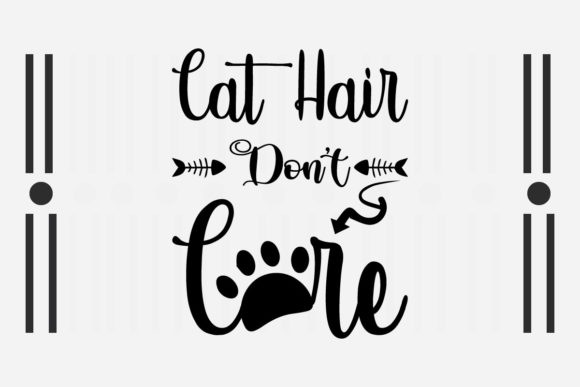
The phrase "Cat Hair, Don’t Care" immediately signals a specific demographic: cat lovers who embrace the messy reality of pet ownership. This isn’t a pristine, sterile image; it’s relatable, humorous, and slightly rebellious. For a designer, that emotional hook is gold. It transforms a simple handmade product into a statement piece.
Visually, the layout relies heavily on typography as the primary graphic element. In the world of custom apparel, text-based designs can be risky if the lettering is too thin or complex. However, this design seems built for impact. The bold nature of the quote suggests a design that prioritizes readability over intricate detail. This is crucial because when customers buy a personalized gift or a boutique item, they need to read the message instantly. If the eye has to struggle to decipher the font, the emotional connection is lost.
The mood is casual and fun, which naturally steers this embroidery project away from formal wear and toward everyday comfort items. It feels right at home on a slouchy sweatshirt, a kitchen apron, or a durable canvas tote. It lacks the delicate elegance required for bridal linens but possesses the sturdy charm needed for daily use.
Real-World Application: Where This Design Shines
I recently simulated placing this design assets package onto various products to see how it would perform in a retail environment. Here is where the CAT HAIR, DON’T CARE SVG truly excels:
- Tote Bags and Canvas Totes: This is perhaps the strongest candidate. The rugged texture of canvas provides a perfect backdrop for bold text. The contrast between the rough fabric and the smooth satin stitch letters creates a tactile experience that buyers love. It serves as excellent craft business merchandise for cat cafes or local markets.
- Sweatshirt Embroidery: Fleece and cotton blends are forgiving fabrics. They allow for generous stitch density without pilling excessively. A chest-sized placement of this quote on a heather grey hoodie feels like something you’d see in a high-end boutique. It adds a layer of personality to basic wardrobe staples.
- Kitchen Towels and Aprons: The humor translates perfectly to domestic spaces. A tea towel featuring this design becomes a conversation starter. Since these items are washed frequently, the durability of the fill stitch areas is key. Assuming standard construction, this design holds its shape well against water and detergent.
- Baby Items and Nursery Decor: While the phrase might seem mature, many modern parents appreciate the irony. On a soft baby blanket or a onesie, it offers a witty nod to the chaotic joy of raising children (and pets). It fits seamlessly into the trend of personalized gifts that don’t take themselves too seriously.
For digital product sellers, this design also works beautifully as part of a bundle. You can create printable mockups showing the design on mugs, posters, and stickers. The versatility of having source files means you can adapt the quote for different mediums, increasing the perceived value of your digital embroidery file offerings.
Technical Considerations and Fabric Challenges
No design is flawless, and understanding the limitations is what separates a pro from a hobbyist. There are specific scenarios where this embroidery project requires careful handling.
First, consider the hoop size. Text-heavy designs often span wider areas. If you are working with a smaller hoop, you may need to split the design or adjust the scale, which can distort the aspect ratio. Always check the bounding box dimensions before loading it into your machine software.
Fabric choice is equally critical. Avoid using this design on highly textured fabrics like heavy bouclé wool or loose-weave linen. The needles will struggle to penetrate, and the tension may become inconsistent, leading to puckering. Similarly, stretchy knits require a strong stabilizer—cut-away rather than tear-away—to prevent the garment from distorting after washing. Without proper stabilization, even a simple text design can look warped and unprofessional.
Another point of caution is dark fabric. If the thread colors provided in the source file are light, they might get lost against a black background unless you use a high-density underlay or a contrasting base. Always test color contrast by converting your mockup to grayscale. If the text disappears in black and white, it will likely struggle in color.
Also, be mindful of curved surfaces like caps. While possible, embroidering flat text on a curved brim or crown can cause distortion. It requires advanced digitizing techniques or specialized hoops. For beginners, sticking to flat surfaces like tote bags or pillow covers is safer.
Practical Designer Notes for Success
Before committing this design to a final product, follow these steps to ensure quality:
- Test on Scrap Fabric: Never run a new design directly onto your best customer’s shirt. Use scraps of the same material to check tension and stitch alignment.
- Inspect Small Details: Zoom in on the vector file. Are there any tiny serifs or sharp angles that might not stitch out cleanly? If so, consider simplifying the design or adjusting the stitch type.
- Review Stitch Density: High density looks luxurious but can make fabric stiff. Low density can look sparse. Aim for a balance that suits the end-use of the garment.
- Confirm Licensing: If you plan to sell finished items, verify the commercial license terms. Some graphics are for personal use only. As a small shop product owner, protecting your intellectual property rights is essential.
- Use Proper Stabilizer: Match your stabilizer to your fabric weight. Heavy denim needs heavy stabilizer; lightweight jersey needs light support.
Final Verdict on CAT HAIR, DON’T CARE SVG
The CAT HAIR, DON’T CARE SVG is a solid, commercially viable design for makers and entrepreneurs. It doesn’t try to be something it’s not—it’s a fun, bold, text-driven graphic that leverages relatability to drive sales. Its strength lies in its simplicity and broad appeal.
It performs exceptionally well on apparel decorators’ racks and Etsy listings where quick recognition matters. It is less suited for delicate heirloom pieces or highly technical technical applications. But for the vast majority of craft fair products, holiday gifts, and everyday accessories, it hits the mark.
If you are looking to add a touch of humor to your catalog, this design delivers. Just remember that the success of any embroidery project depends as much on your technique and material choices as it does on the design itself. Test thoroughly, stabilize properly, and let the quality of your finish speak for your brand.
In the categories of Crafts and Graphics, this entry stands out not for complexity, but for its clear communication and ease of integration into existing workflows. It is a reliable tool in the arsenal of any serious creative entrepreneur.