Hello Sweet Cheeks Svg Review
As a designer who spends half my life staring at stitch density charts and the other half troubleshooting tension issues on vintage machines, I approach every new file with a mix of optimism and skepticism. The market is flooded with generic quotes and clip-art styles that look fine in a digital mockup but fall apart under the needle. That is why I take the time to evaluate designs like Hello Sweet Cheeks Svg before committing them to fabric. This isn't just about whether the file opens correctly; it is about how it translates into a tangible, sellable, or deeply personal product.
The premise here is straightforward: a kitchen-themed SVG quote designed for versatility across t-shirts, posters, mugs, and various textile applications. But for those of us in the Crafts and Graphics sectors, the devil is always in the details. Does this design have the visual weight to stand alone? Is it too busy for embroidery? And most importantly, will it hold up when washed repeatedly by a customer who loves their new apron?
First Impressions and Visual Personality
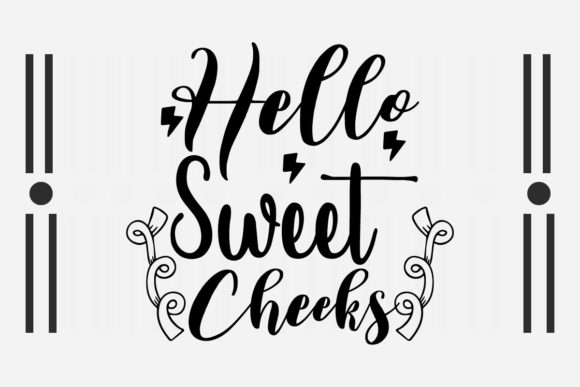
When you first load Hello Sweet Cheeks Svg into your digitizing software or vector editor, the immediate takeaway is its playful, inviting mood. It screams "home," "comfort," and "humor." In a crowded marketplace like Etsy or local craft fairs, humor sells because it connects emotionally. A design that makes someone chuckle has a higher chance of being purchased as a gift compared to a purely decorative motif.
The layout appears balanced, which is crucial for both screen printing and embroidery. For an embroidery project, the spacing between letters and any accompanying graphics determines how much stabilizer you need and how likely the fabric is to pucker. From what I can see in the source files (EPS/SVG included), the kerning looks intentional rather than accidental. This suggests that the original artist put thought into the readability of the phrase, which is a massive plus for custom apparel where legibility is key.
The theme fits naturally into several niches. It works exceptionally well for kitchen towel embroidery, serving as a lighthearted accent on a tea towel. It also bridges the gap between baby embroidery and adult humor, making it a versatile choice for baby showers or nursery decor where parents appreciate a bit of wit. However, designers must be careful not to overthink it; the charm lies in its simplicity and directness.
Real-World Application: The Apron Test
Let’s imagine a real scenario. You are preparing a batch of custom linen aprons for a boutique client who specializes in home goods. They want something that feels handmade but looks professional. You choose Hello Sweet Cheeks Svg for the lower left corner of the apron.
In this context, the design needs to perform two jobs: add character without overwhelming the fabric texture, and survive frequent washing. If you digitize this directly from the SVG without adjusting for stitch types, you might run into trouble. An applique design approach could work beautifully here, using a contrasting thread color to outline the text against the apron fabric. Alternatively, a clean satin stitch border around the letters would give it a polished, commercial finish.
For a tote bag design, the application changes slightly. Here, durability is paramount. A dense fill stitch might be too heavy for thin canvas, causing the handle area to become stiff and uncomfortable. Instead, a combination of running stitch for outlines and minimal fill for accents would maintain the soft hand-feel of the bag while keeping the message clear. This kind of strategic thinking separates a hobbyist result from a high-end handmade product.
Where Caution Is Required
No design is perfect for every surface, and Hello Sweet Cheeks Svg is no exception. There are specific scenarios where this file might struggle if not handled with care.
- Small Hoop Sizes: If you attempt to stitch this on a tiny patch or a cap front using a small hoop, the text may become cramped. Ensure your hoop size allows for adequate breathing room between stitches. Crowding leads to thread breaks and messy backings.
- Textured Fabrics: While great for smooth cottons or linens, textured fabrics like chunky knits or bouclé can hide the details of the design. The "cheeks" graphic or letter curves might get lost in the weave. Always test on scrap fabric that matches your final material.
- Stretchy Fabrics: For sweatshirt embroidery or jersey materials, stretch is the enemy. Without proper tear-away or cut-away stabilizer, the design will distort during stitching. The curvature of the text in this design might warp if the fabric shifts, so pre-stabilization is non-negotiable.
- Dense Stitch Areas: If the design includes large solid blocks of color, check the stitch density. Too much density on light fabric can show through to the front, ruining the clean look. Conversely, on dark fabric, insufficient coverage might look patchy.
Color Strategy and Thread Selection
One of the strongest selling points mentioned in the product description is that the design is 100 Color Changeable. This flexibility is invaluable for a craft business owner who needs to match brand colors or customer preferences. However, changing colors digitally does not always translate perfectly to thread.
When evaluating thread colors, consider contrast. On a white apron, a pastel pink thread might lack the punch needed for the text to read clearly from a distance. On a navy blue shirt, bright yellow or white would pop significantly more. I recommend creating printable mockups in black and white first to check contrast levels before selecting your actual thread palette. This step saves money on wasted thread and time spent re-doing mistakes.
Also, think about the fabric texture interaction. Metallic threads might look stunning on a satin pillow cover but could shred if used on rough burlap. Matte polyester threads generally offer the best balance of durability and sheen for everyday items like kitchen towels or custom apparel.
Practical Designer Notes for Execution
Before you rush this into production, keep these practical tips in mind to ensure a professional outcome:
- Test First: Never skip the scrap fabric test. Stitch the design out on the exact fabric type you plan to use. Check for puckering, thread breaks, and backing visibility.
- Inspect Details: Zoom in on the digital file. Are there any tiny, isolated elements that might require excessive trimming? Simplifying these can improve the finished product quality.
- Check Licensing: As a commercial embroidery user, verify the license terms. Even though source files are included, confirm whether you are allowed to sell finished goods made from this design. This protects your Etsy seller account and reputation.
- Stabilizer Choice: Use the right stabilizer for the job. Cut-away for stretchy garments, tear-away for stable wovens, and hooping tape for delicate items. Proper stabilization is 50% of a good embroidery result.
- Mockup Realism: When listing this as a digital product or physical item, use realistic mockups. Show the design on a wrinkled towel or a folded sweatshirt to give customers an accurate idea of how it will look in their hands.
Final Verdict
Hello Sweet Cheeks Svg is a solid addition to any design assets library, particularly for those focusing on home goods, gifts, and casual wear. Its strength lies in its broad appeal and ease of customization. It is not a complex artistic masterpiece, but it doesn't need to be. It serves its purpose as a fun, recognizable graphic that enhances everyday items.
For the small shop product owner, this design offers a low-risk, high-reward option. It is easy to produce, requires minimal specialized equipment beyond a standard embroidery machine, and appeals to a wide demographic. Just remember to respect the limitations of fabric and stitch types, and you will create embroidery projects that customers will love and keep for years.
Whether you are making a personalized gift for a friend or building a line of holiday embroidery collections, this file provides a reliable foundation. Treat it with the same care you would any professional commission, and it will serve your creative entrepreneur goals well.